


Part of the Lincolnshire Institute of Technologoy
As part of DN Colleges Group, University Campus North Lincolnshire is a key member of the Lincolnshire Institute of Technology (IoT).
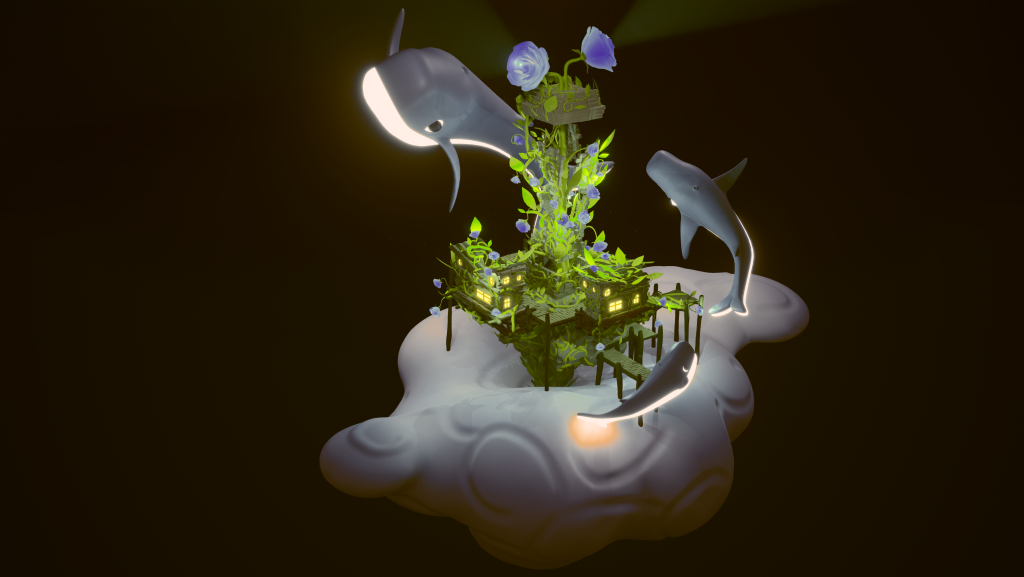
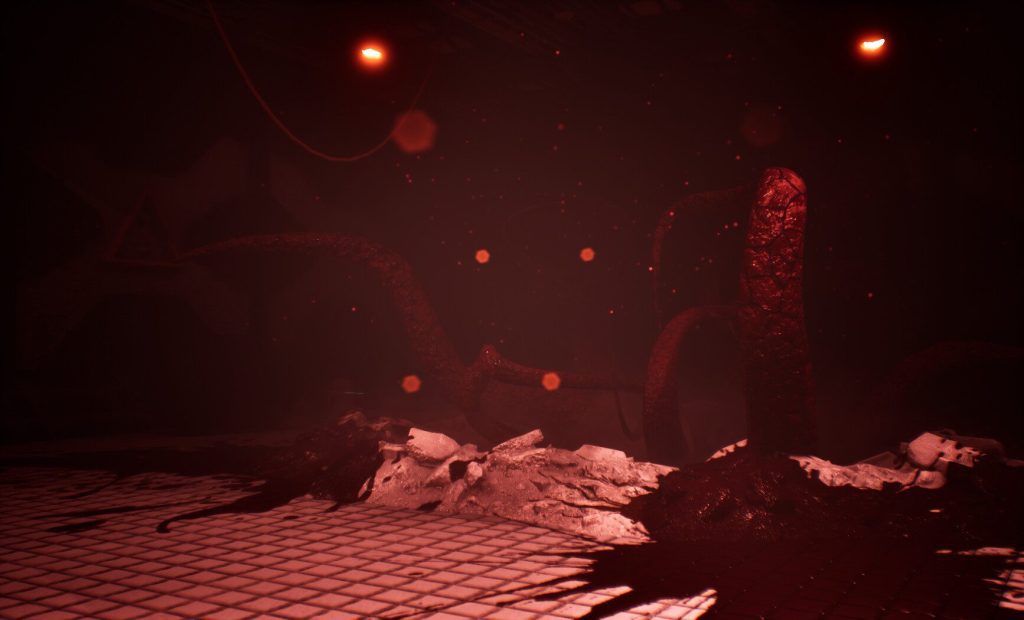
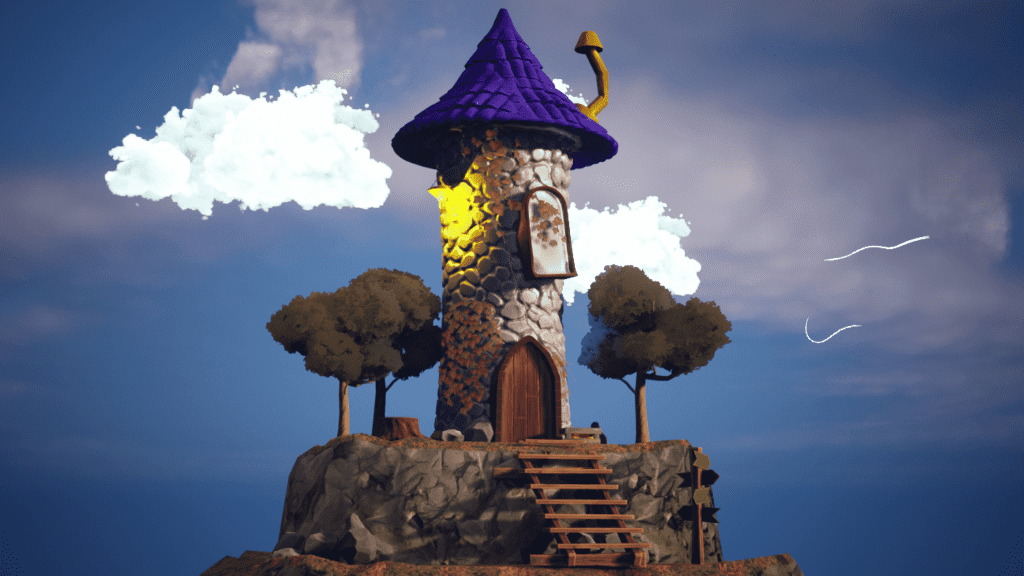
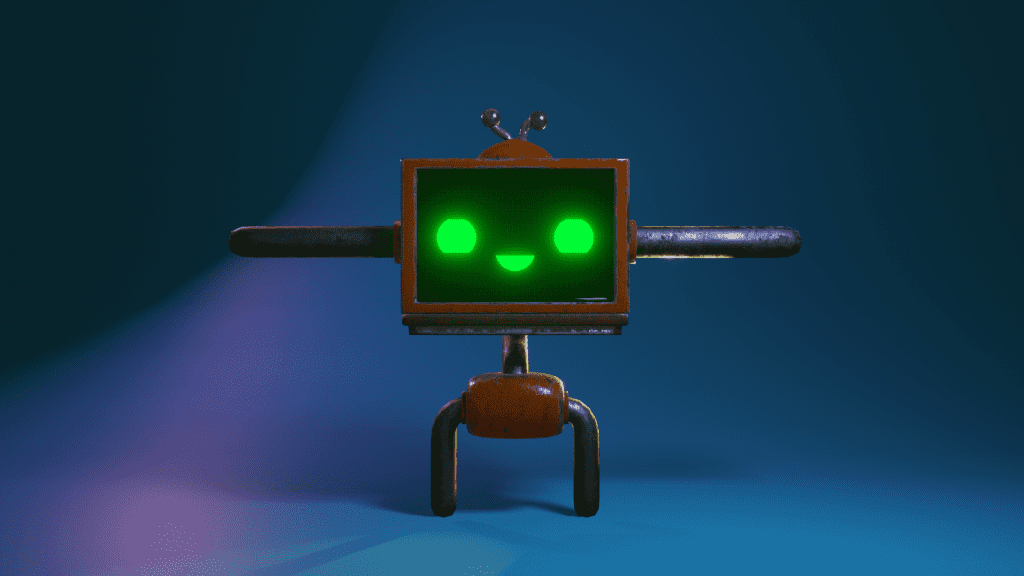
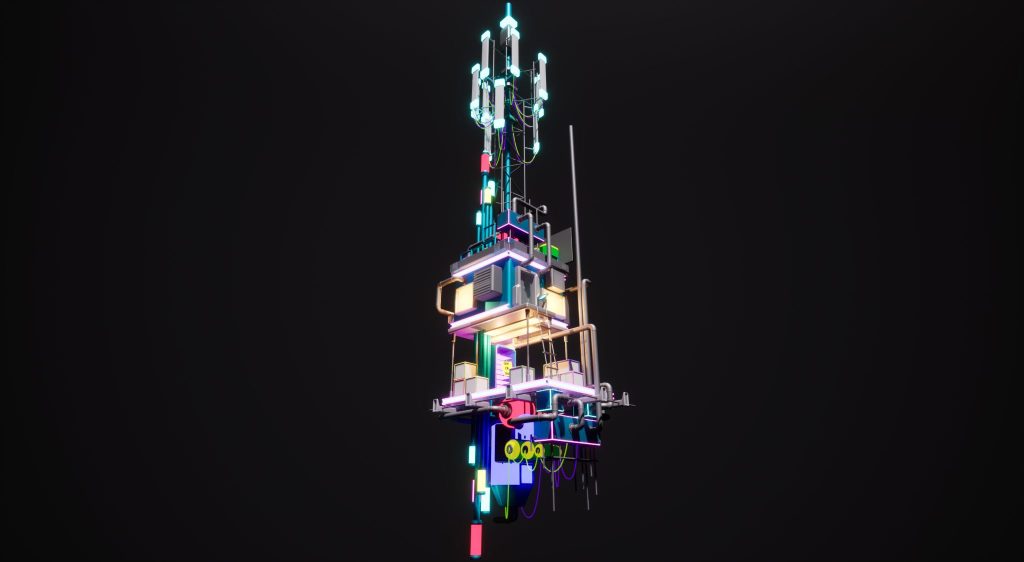
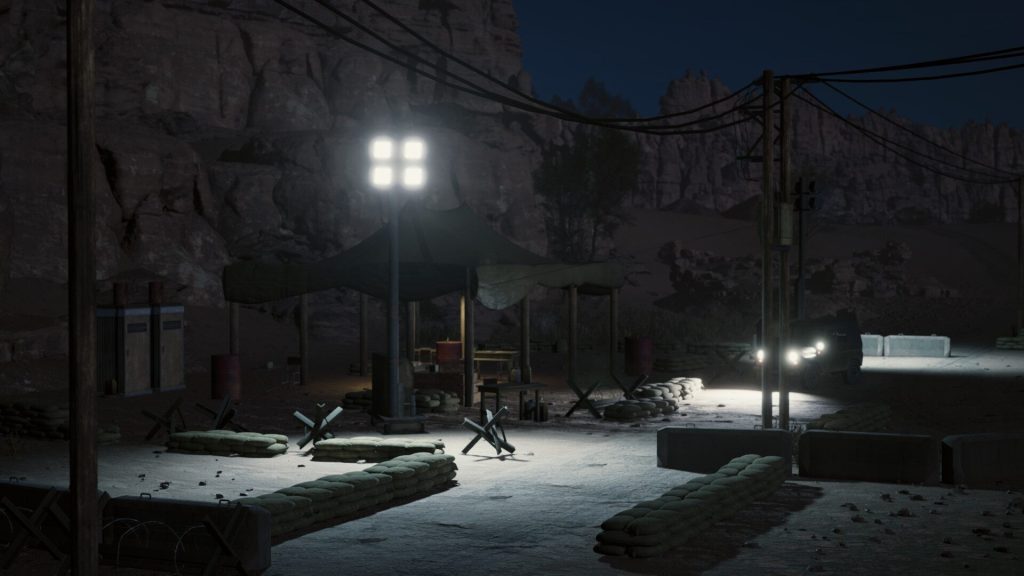
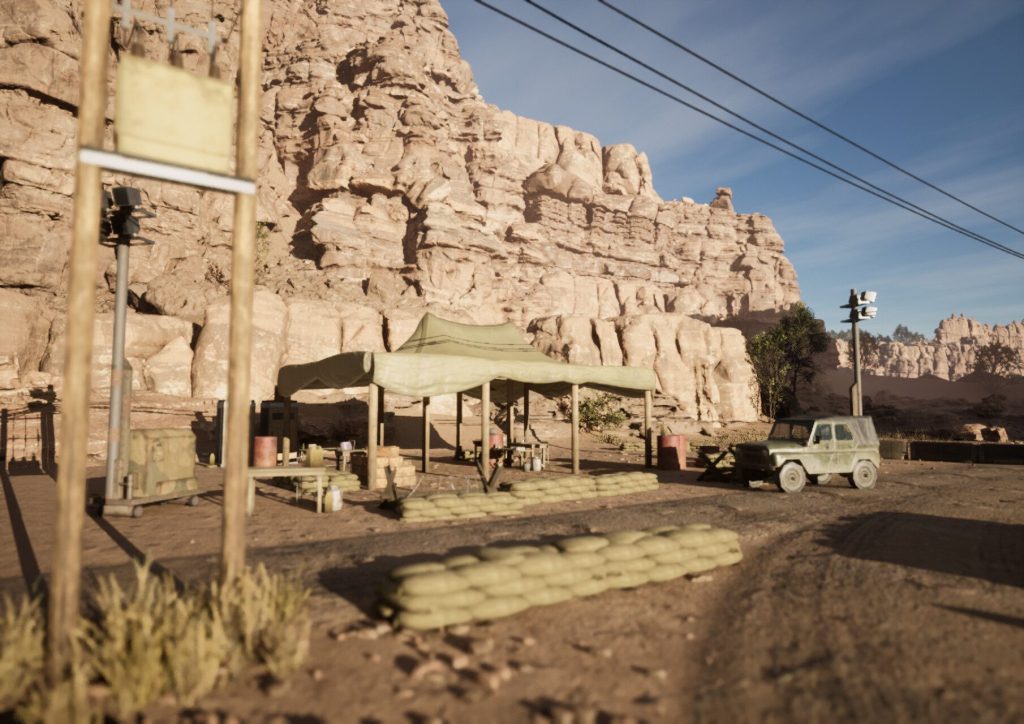
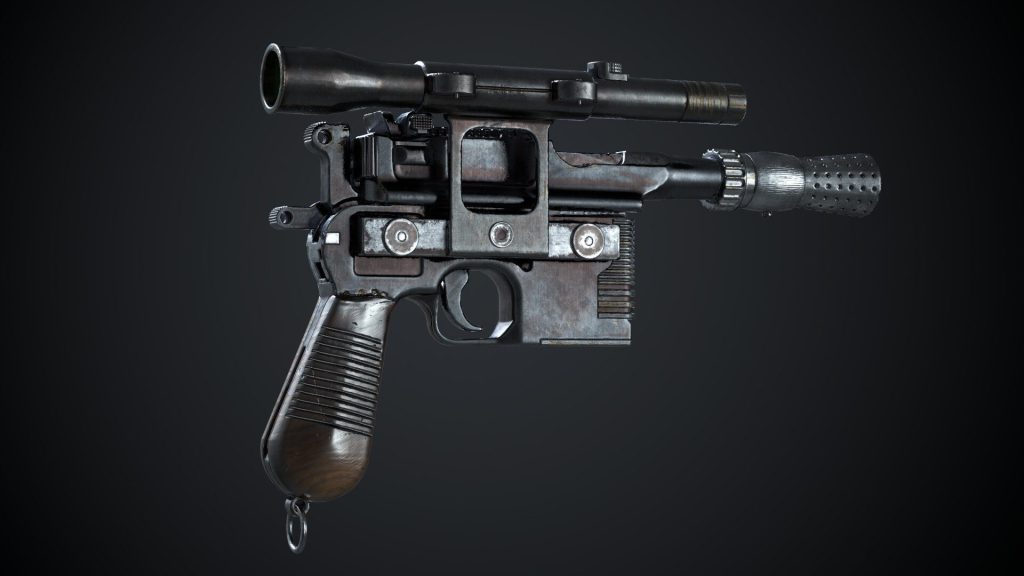
A foundation degree in game development built around industry-focused assignments, with the opportunity to specialise in game design, art, animation or sound.
Got a question? Ask us
Our programme is built around industry-focused assignments, combining both team-based projects and individual work. This approach ensures students graduate with a rich and diverse portfolio, showcasing their technical and creative skills to potential employers and supporting success in professional interviews.
At Level 5, students have the opportunity to specialise through a range of optional modules in Game Design, Game Art, Game Animation, or Sound for Games. Alternatively, students may choose to broaden their skillset by selecting modules across multiple pathways. (Please note: pathway availability is subject to cohort size.)
The curriculum is designed to be flexible and adaptable, equipping students with the knowledge and practical skills needed to thrive in the dynamic games industry: whether aiming for roles in AAA or AA studios, or pursuing careers in the indie and freelance sectors.
Collaboration is a key feature of the course. Students will work alongside peers from different pathways, simulating industry-standard pipelines and producing complete game projects for their portfolios. This cross-disciplinary approach mirrors real-world development environments and enhances employability.
Our facilities are equipped with state-of-the-art, industry-standard technology, including high-spec PCs, motion capture suits, VR headsets, and dedicated sound studios. These resources allow students to work with cutting-edge tools throughout their studies, ensuring they gain hands-on experience with the technologies shaping the future of game development.
We are also proud to be a Game Republic Academic Partner and an Unreal Academic Partner.
Levels 4 to 5 · 25 modules
In the first year of the programme, students will delve into the core concepts and principles of game development. They will have the opportunity to explore four specialisms (game design, game art, and game animation and sound for games) through introductory modules as well as learning about the industry as a whole and the history of the games sector.
Throughout Level 5 students will build upon their creative, technical, and contextual knowledge and skills to begin applying these to more complex and professionally oriented outcomes. Students will have the opportunity to study a specific pathway of modules focused on their chosen area of specialism or focus on a more diverse route and choose from a variety of modules to create a more rounded skillset. This allows students to tailor their skillset towards AAA, AA or Indie Development depending on their preferences.
Occasional changes to modules and course content may take place. Students will be notified when applicable (pathway availability is dependent on student cohorts and not all pathways may be available). Occasional changes to modules and course content may take place. Students will be notified when applicable (pathway availability is dependent on student cohorts and not all pathways may be available).
You’ll learn through lectures, workshops and studio time, with independent study in between.
Full-time students can typically expect around 12 hours per week of scheduled class time, although this may vary depending on the number of modules studied. Most learning takes place face-to-face in classrooms, with some opportunities for blended learning; however, blended learning is not guaranteed.
Self-Study Expectations
Students are expected to undertake significant independent study alongside scheduled contact hours, typically 20–24 hours per week, including reading, research, project development, and assessment preparation.
Meet us at an open event.
If you wish to continue studying beyond this course, it will provide you with a strong academic basis to do so. Course progression routes could include BA Hons in Games Design, Games Art, Game Animation, or Sound at Level 6
You can also stay with us to study our Level 6 BA(Hons) Top-Up programme.
Found where you fit?
As part of DN Colleges Group, University Campus North Lincolnshire is a key member of the Lincolnshire Institute of Technology (IoT).









Don’t have the standard qualifications? You may still be able to apply.
48UCAS points
48 UCAS Points
We are committed to creating educational opportunities for people from a variety of backgrounds and situations. If you have been out of formal education for some time, and/or you do not have the qualifications stated, we might still be able to consider your application and offer you a range of support. We are here to help. Please get in touch to find out more
£8,190
a year for UK students
UK students can take out a tuition fee loan to cover the cost of their course and a maintenance loan to cover living costs.
We also have a range of other financial support available.
Your Tuition fees cover most costs associated with your course (including registration, tuition, and assessment).
There may be some extra costs that you might need to make, or choose to pay, for example:
Questions about funding?
Apply now, come and see us first, or ask us anything.
UCAS gives you an applicant ID to track your application. Apply direct and we’ll reply by email.
Responses usually arrive between November and May: an unconditional offer, a conditional offer, or an unsuccessful application.
Before you enrol we’ll need photo ID and copies of your certificates. Apply for Student Finance early.
Level
Level 5
Duration
2 years
Study mode
Full-time
Awarding body
University of Hull
UCAS code
W230