
Published
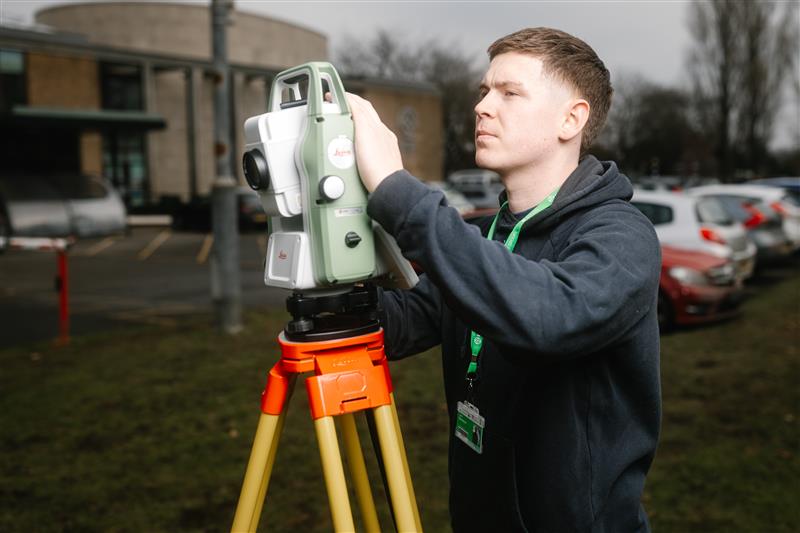
A new flexible approach to construction education is being launched this September at DN Colleges Group (DNCG), giving learners the opportunity to gain a full Higher National Certificate (HNC) in one academic year through an innovative hybrid full‑time delivery model designed around work, life and industry needs. Through this new model, students will study only one day per week on campus whilst accessing their remaining delivery from home.
Delivered across University Campus North Lincolnshire (UCNL) and University Campus Doncaster (UCDon), the new provision is aimed at people who want to enter the construction sector with skill recognition quickly or progress their existing careers without putting employment or personal commitments on hold.
Designed with ultimate flexibility, the hybrid HNCs enable learners to build skills rapidly and with confidence. The accelerating structure supports clear progression and focuses on real career outcomes. The new model is particularly well-suited to those already working in construction, individuals looking to change careers, or anyone seeking an efficient and practical pathway into the sector.
A modern way to study construction
The hybrid model blends face‑to‑face practical learning with online study, offering flexibility while maintaining a strong emphasis on real‑world skills. Students attend campus for one hands‑on, industry‑led day each week, supported by online evening sessions that fit around work and personal commitments. Course content is delivered through a blended approach, giving learners access to lectures and materials anytime, anywhere.
This structure allows students to continue working, apply new skills directly to real projects, and balance their studies alongside work, family and other responsibilities. It represents a move away from traditional higher education models and aligns learning more closely with the way the modern construction industry operates.
Paul Stapleton, Curriculum Leader for Construction and ESTA Apprenticeships, said:
“The construction industry is changing rapidly, and we know that traditional models of education don’t always work for people who are already in work or looking to upskill quickly. By introducing this hybrid delivery model, DNCG is responding directly to industry demand and learner feedback, creating courses that are flexible, career-focused and designed to fit around real life.”
Courses available
Each programme has been developed with local and national employer needs in mind and supports progression into employment or further higher education.
Available at University Campus North Lincolnshire:
Available at University Campus Doncaster:
- HNC Quantity Surveying
- HNC Building Services Engineering (Heating, Ventilation & Air Conditioning)
- HNC Construction Site Supervision
Industry-relevant skills for a changing sector
Learners will develop practical, up-to-date skills that reflect what employers are actively looking for in today’s construction workforce. The curriculum covers key areas such as digital construction tools and workflows, estimating and measurement, site supervision and project delivery, alongside essential engineering principles.
As construction continues to evolve, the courses also prepare students for the future of the industry, with an emphasis on smart construction methods, digital technologies and sustainable building practices, ensuring learners are equipped for long-term career success.
Karra Adam, Director of School: Engineering, Science, Technology & Arts, added: “The launch of our hybrid construction model represents a significant step forward for both skill development and regional growth. Designed in collaboration with local industry partners and unique to the region, this model strengthens the local workforce by allowing learners to gain in‑demand skills while remaining in work. Students can apply their learning immediately in local projects, helping employers address recognised skills gaps and supporting productivity across the sector. By keeping talent local and offering flexible, accessible higher education, we are investing directly in the long‑term economic resilience of our communities.”